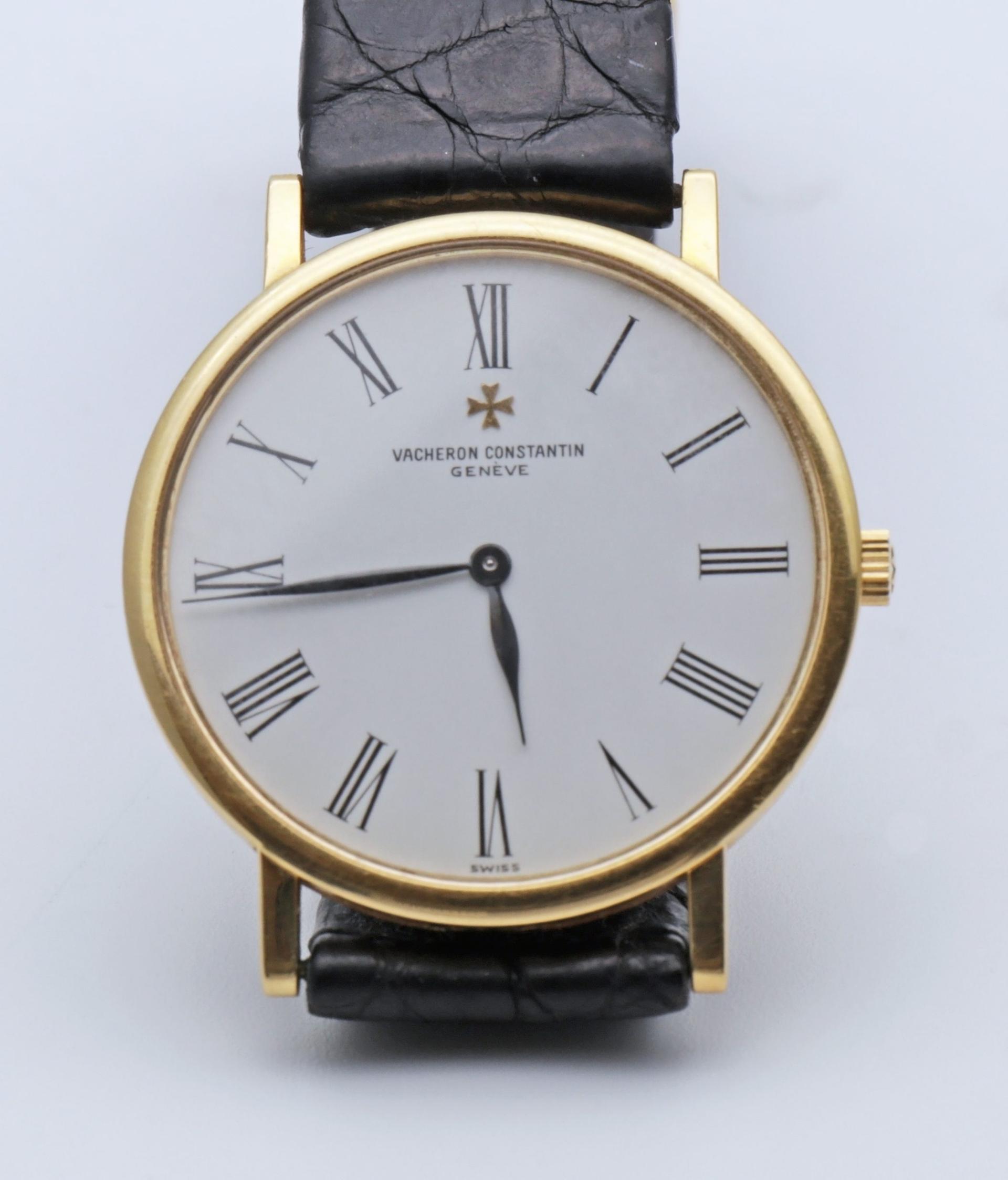
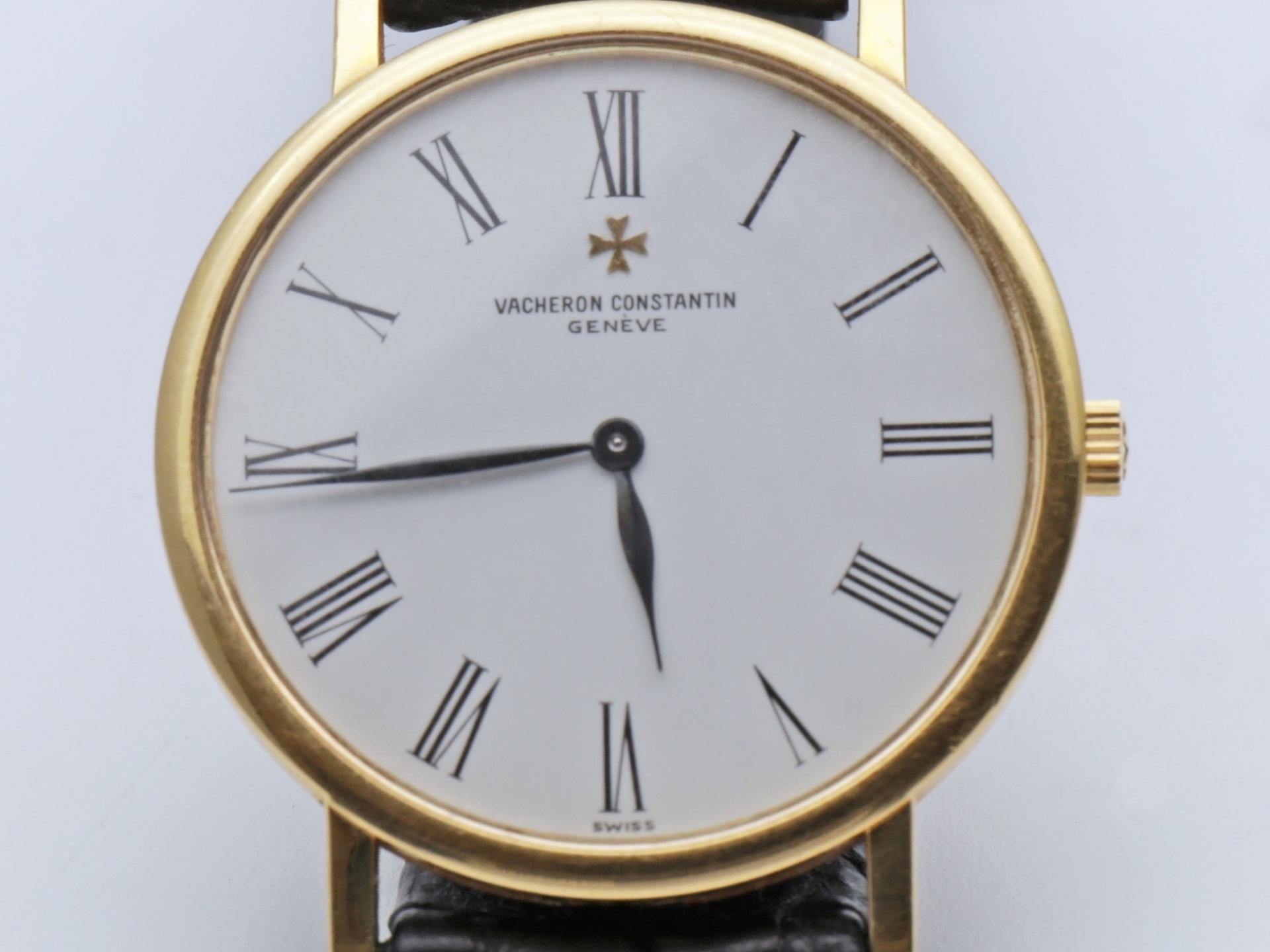
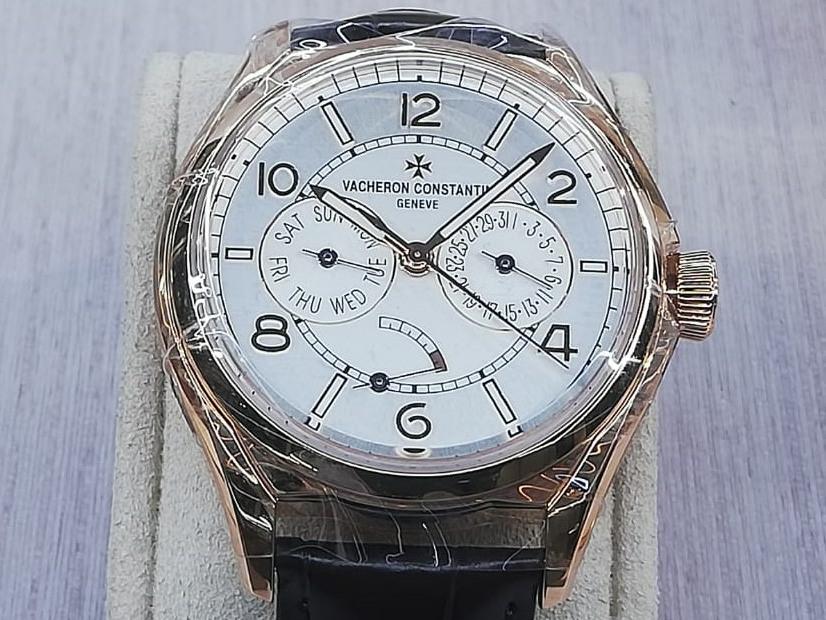
Vacheron Constantin was founded in Geneva on September 17, 1755 by Jean-Marc Vacheron, a 24-year-old master watchmaker who signed his first apprenticeship contract with Esaïe Jean-François Hetier on that date. The signed contract survives in the Vacheron Constantin archives and is the document the brand uses to claim the title of oldest watchmaker in continuous production: every watch since 1755 has been signed Vacheron (or Vacheron Constantin after the founder's grandson Jacques-Barthélémy Vacheron partnered with François Constantin in 1819).
The brand's mid-19th-century chapter is defined by a partnership with Georges-Auguste Leschot, who joined as technical director in 1839 and developed the pantograph and the first interchangeable-component watch movements. The pantograph enabled Vacheron Constantin to produce precise replacements for any worn movement part, which became a major commercial advantage as the brand expanded internationally through the European royal courts and into American markets after the Civil War.
Vacheron Constantin earned its place in the 'holy trinity' grouping with Patek Philippe and Audemars Piguet through 20th-century complications: the brand produced its first wristwatch in 1889, its first minute repeater wristwatch in 1992, and the Tour de l'Île in 2005, at the time the most complicated wristwatch ever made (16 complications). The current Reference 57260 pocket watch, presented in 2015 for the brand's 260th anniversary, holds the title with 57 complications and is the most complex mechanical watch ever produced.
The Overseas line, originally introduced in 1996 and redesigned in 2016, is the brand's commercial anchor in the modern sports-luxury category. The Overseas uses the brand's signature Maltese-cross bezel motif (the eight-pointed cross that has been Vacheron Constantin's emblem since 1880) reinterpreted as the bezel screws, and ships with an interchangeable strap system that allows owners to swap among integrated bracelet, leather, and rubber configurations without tools.