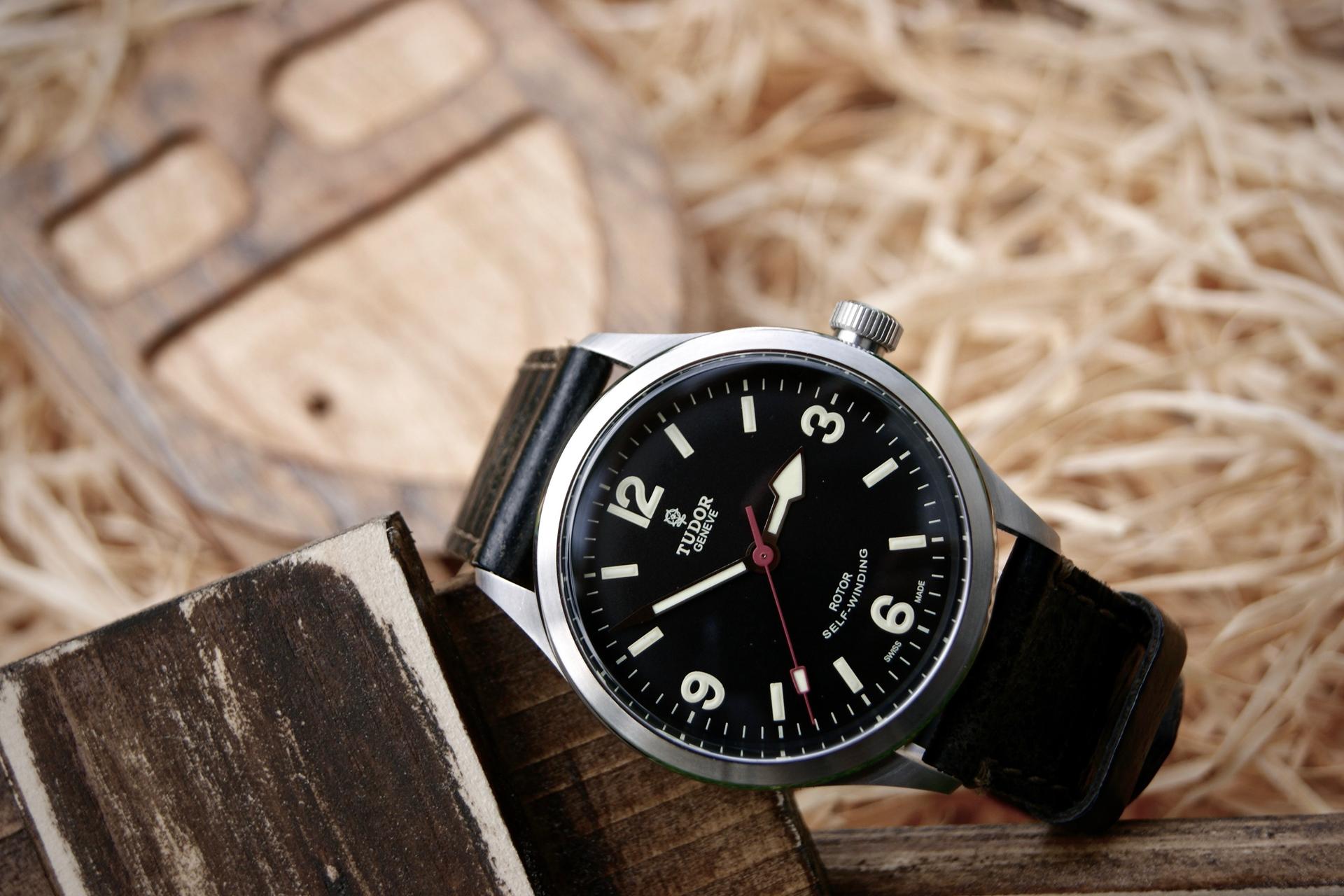
Tudor was founded in 1926 by Hans Wilsdorf, the same year Rolex patented the Oyster case, to offer the Oyster's waterproof case construction with more accessible movements. The brand was originally trademarked as 'The TUDOR' and shared Rolex's distribution network, marketing, and case factories from inception. Wilsdorf wrote in 1946 that Tudor's mission was to give 'his customers a watch they could afford with the reliability they expected from Rolex.'
The brand's mid-century history is dominated by professional dive watches issued to the French Marine Nationale (1956 onward), the US Navy (1960s onward), and the Italian, Argentine, and South African navies. Tudor Submariner references from this era (7016, 7021, 9411) sit between Rolex Submariner and entry-level dive watches at auction today, with snowflake-handed military-issued examples regularly clearing six figures.
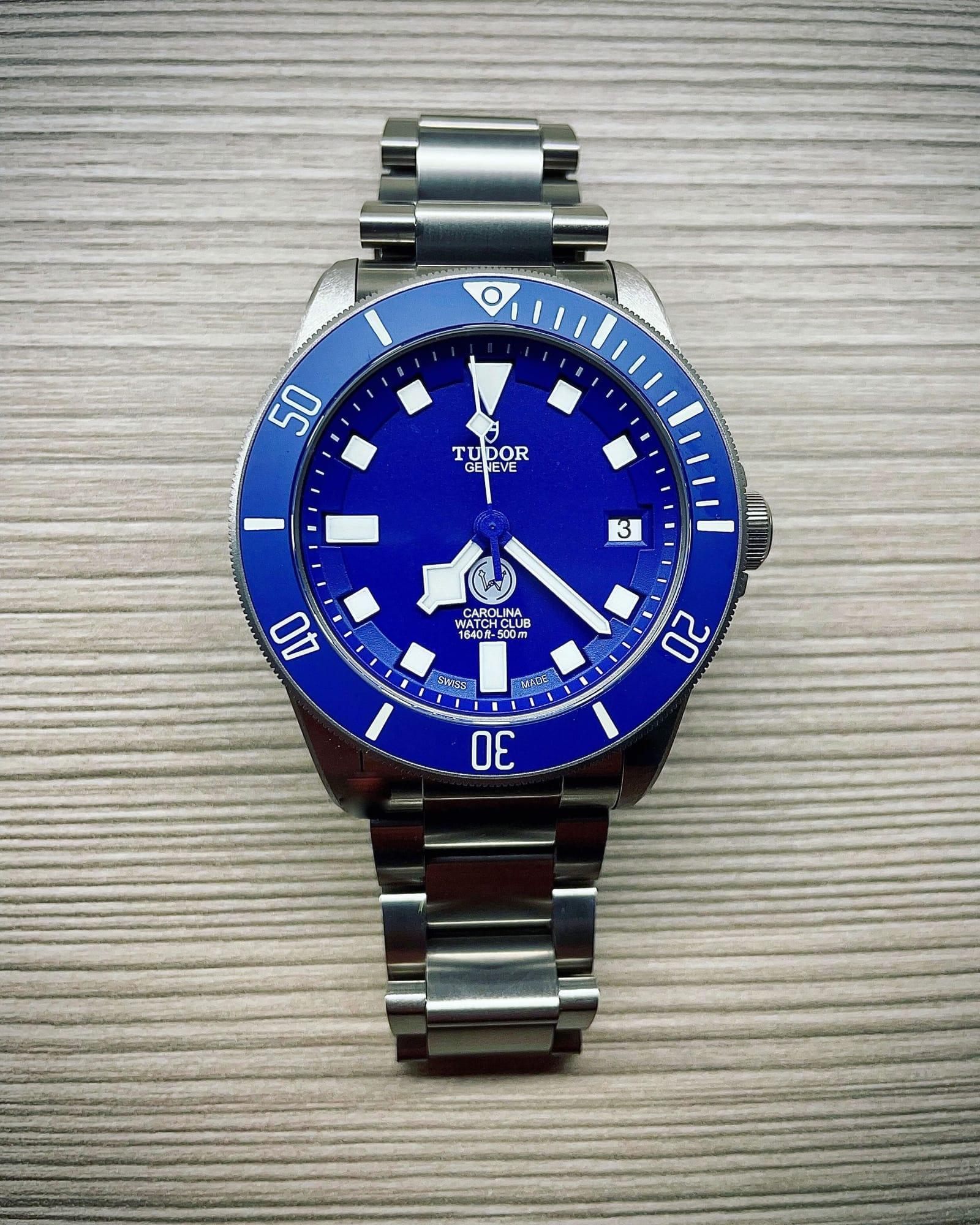
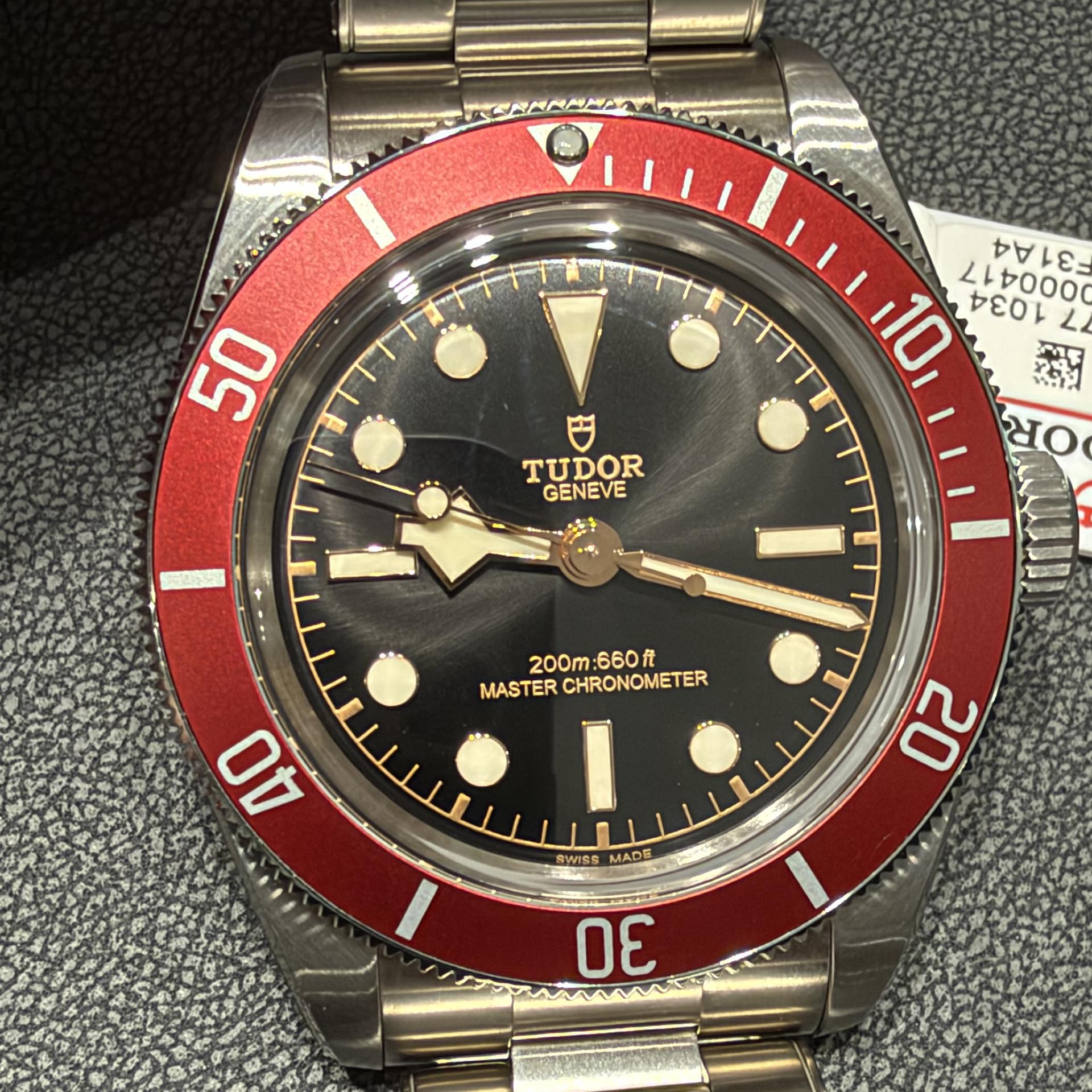
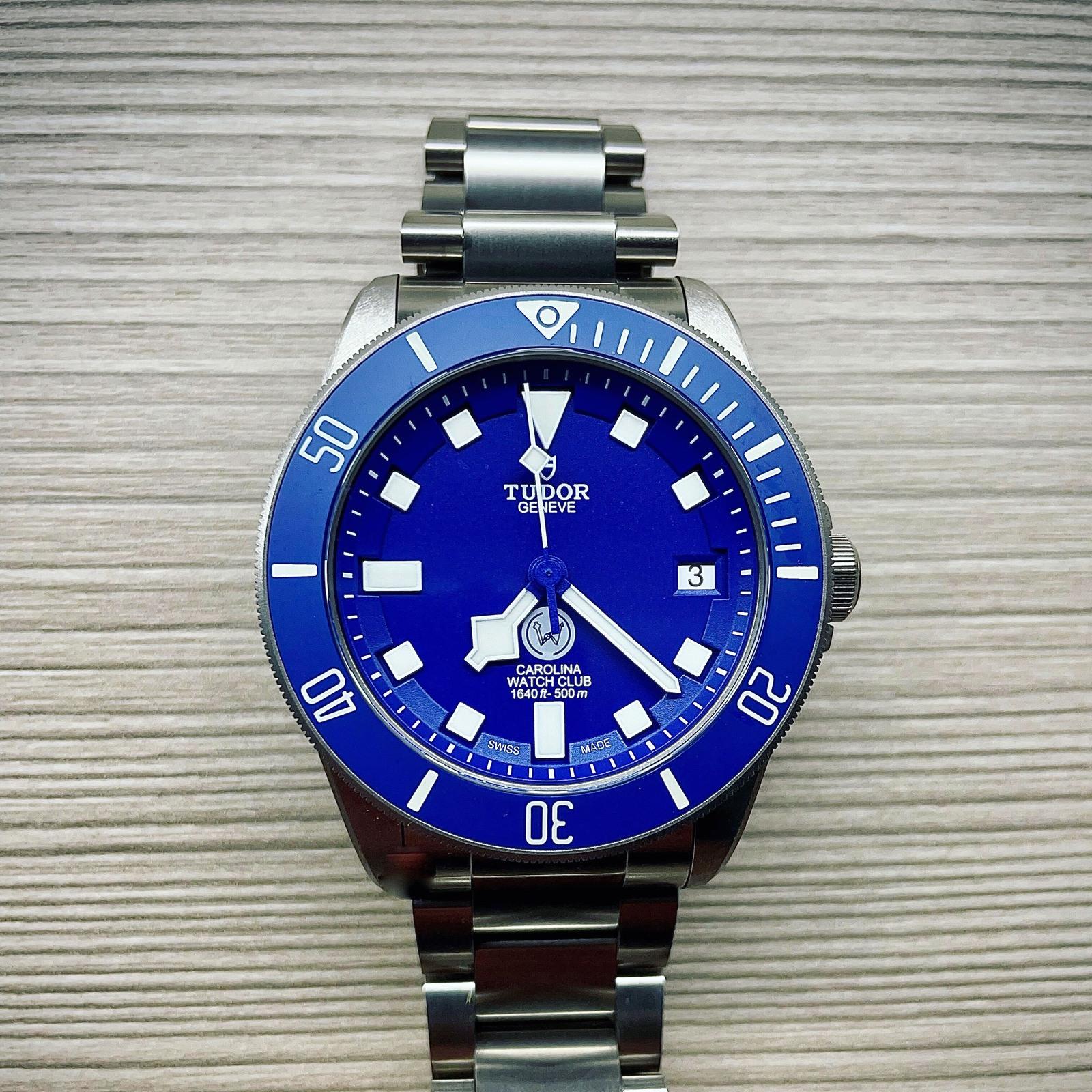
Tudor went dormant in the North American market in 2004 and effectively disappeared from collector consciousness until the 2012 relaunch built around the Heritage Black Bay. The vintage-styled dive watch revived the snowflake hand set, drew on multiple historical Submariner references, and became Tudor's commercial backbone within a year. The 2012 relaunch was followed by the Pelagos in titanium, the Black Bay Bronze, and a series of Heritage chronographs.
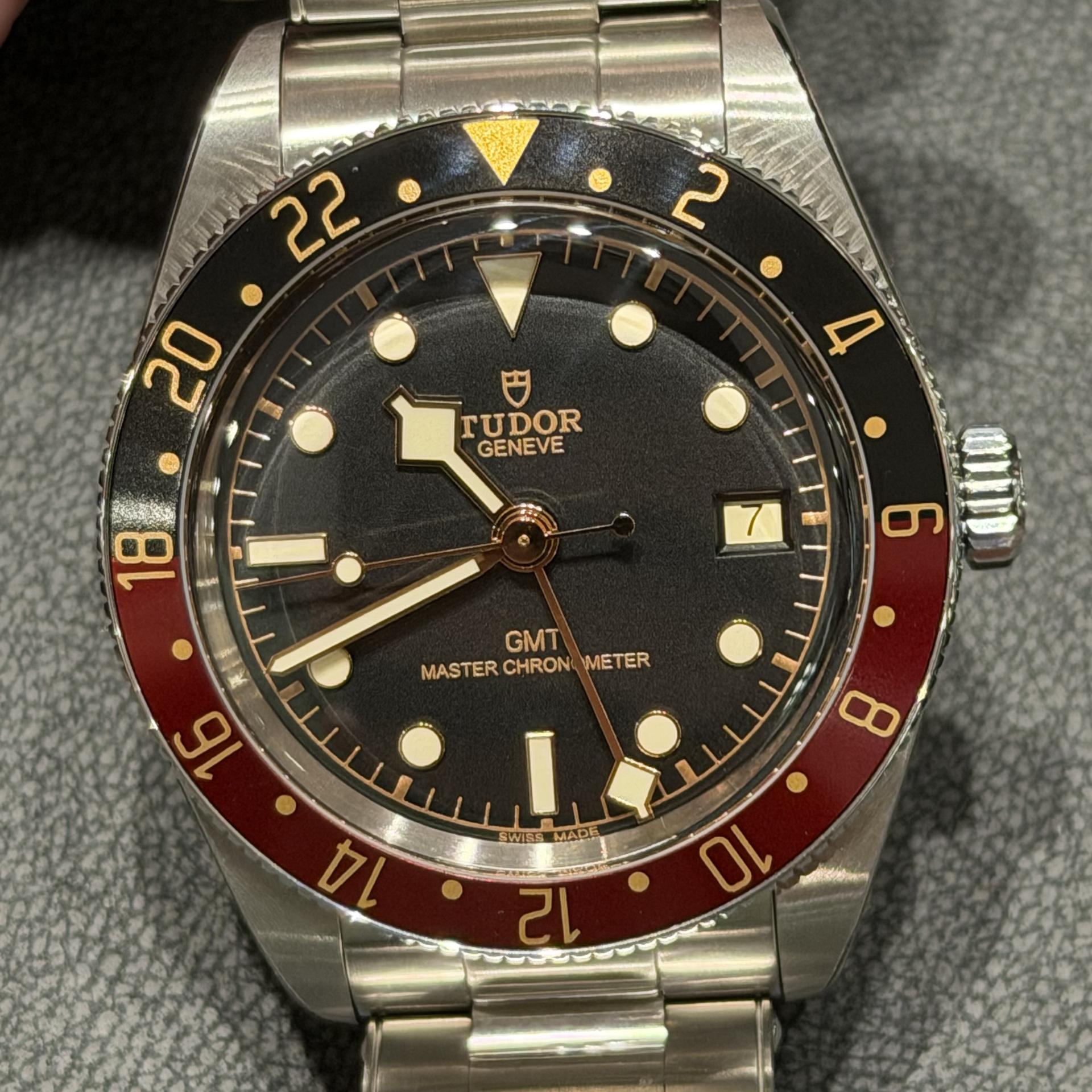
In 2015 Tudor introduced its first in-house manufacture movement, the caliber MT5612, ending the brand's dependence on ETA-based calibers. Subsequent manufacture calibers (MT5602, MT5621 GMT, MT5813 chronograph) power the modern Black Bay, Pelagos, and Ranger lines. Tudor and Rolex remain separate operations sharing parts of the Geneva supply chain but with independent watchmaking, design, and marketing teams.