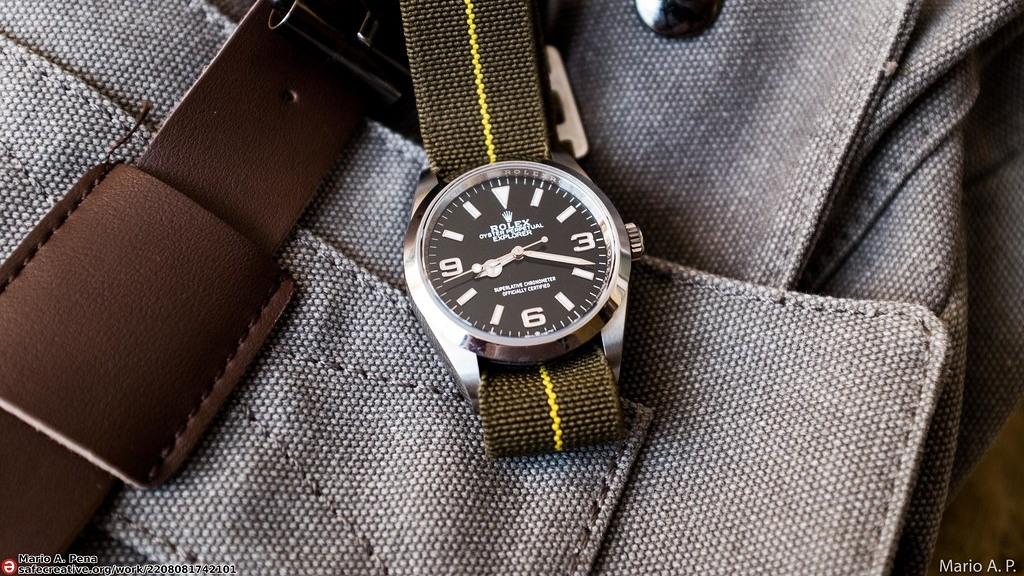
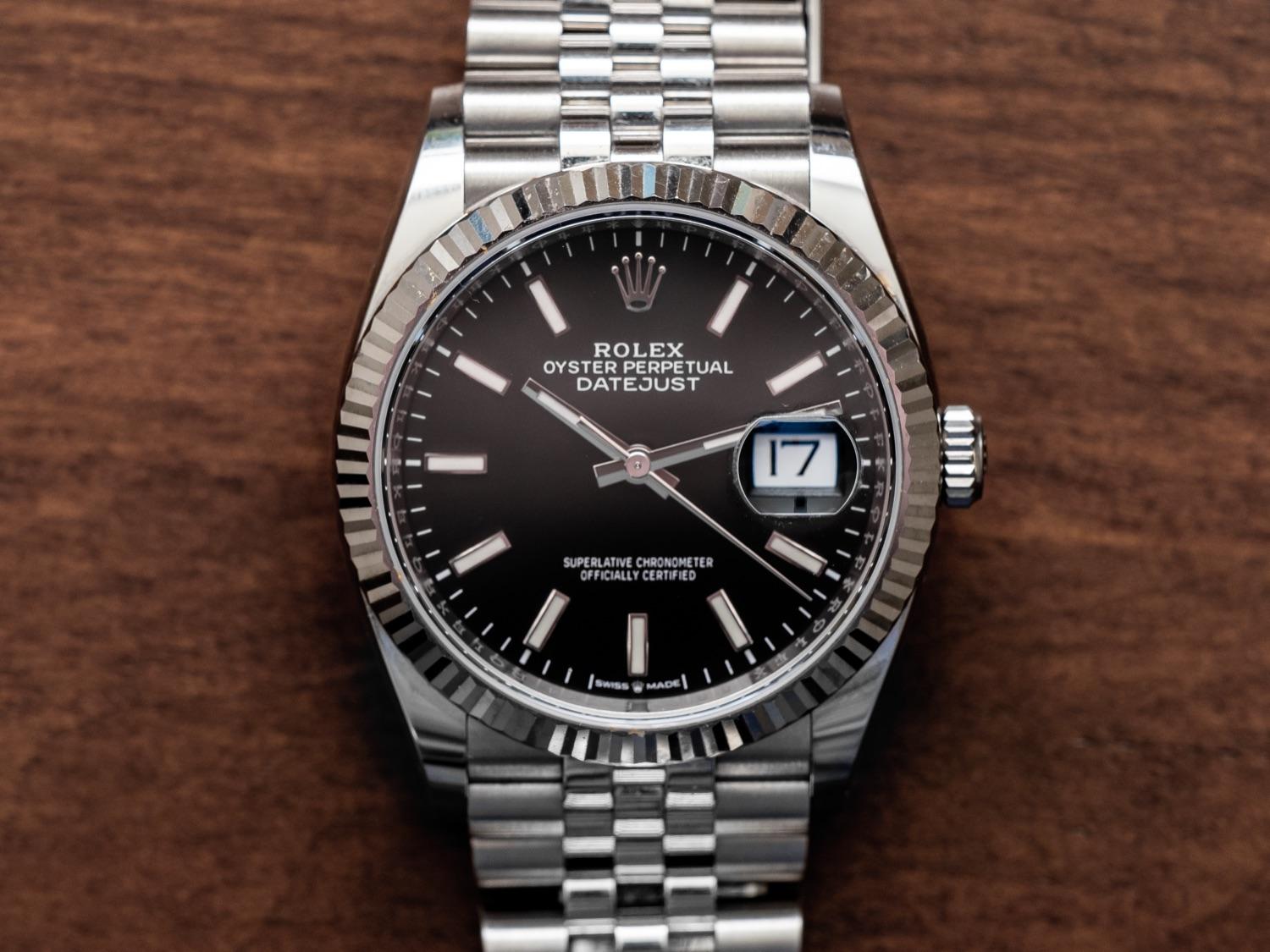
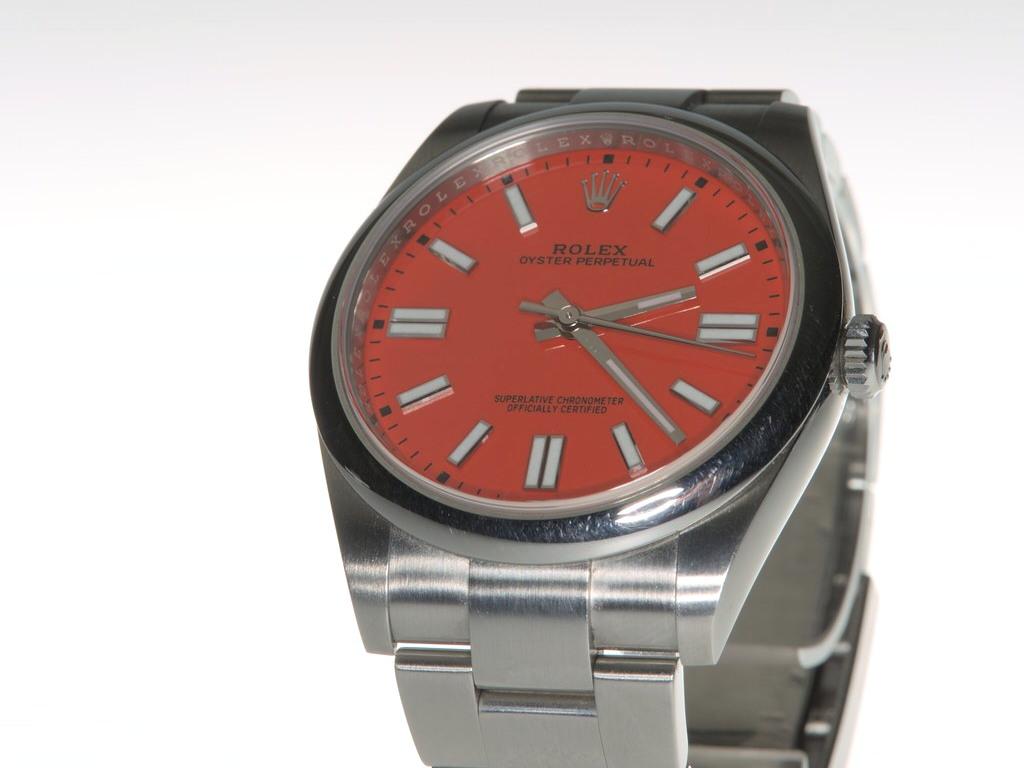
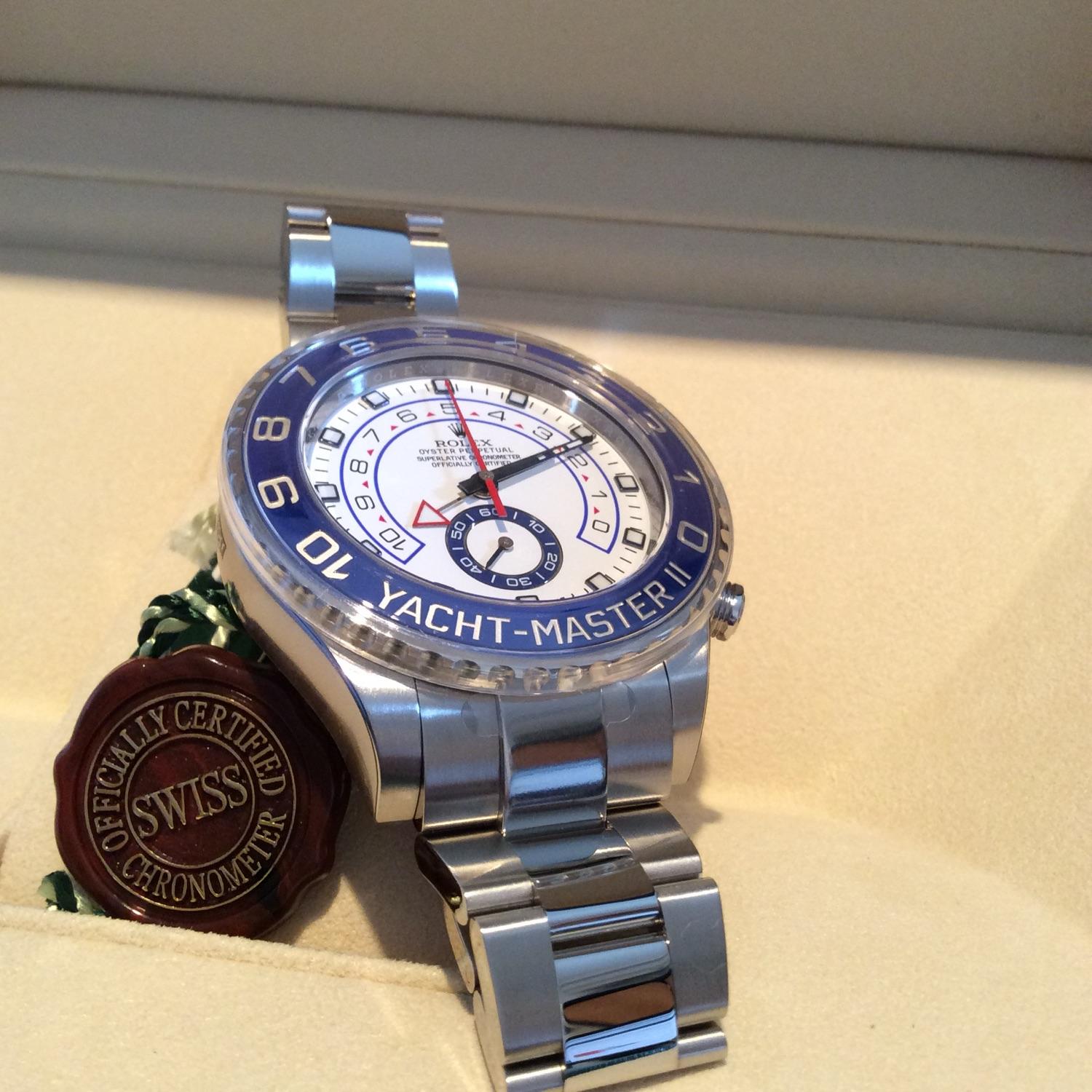
Rolex was founded in London in 1905 by Hans Wilsdorf and his brother-in-law Alfred Davis. Wilsdorf set out to prove that the wristwatch could be as accurate as the pocket watch, an unsettled question at the turn of the century. In 1910 a Rolex watch became the first wristwatch in the world to receive the Swiss Certificate of Chronometric Precision, awarded by the official watch rating center in Bienne. The company relocated to Geneva in 1919, where it has been headquartered ever since.
The brand's defining technical chapters arrived in the 1920s and 1930s. In 1926 Rolex patented the Oyster, the first waterproof and dustproof wristwatch case, sealed by a screw-down crown, bezel, and case-back. In 1931 Rolex patented the Perpetual rotor, a self-winding movement powered by the wearer's motion. Together these two inventions, waterproof case and automatic winding, define what most of the watch industry still considers a modern wristwatch.
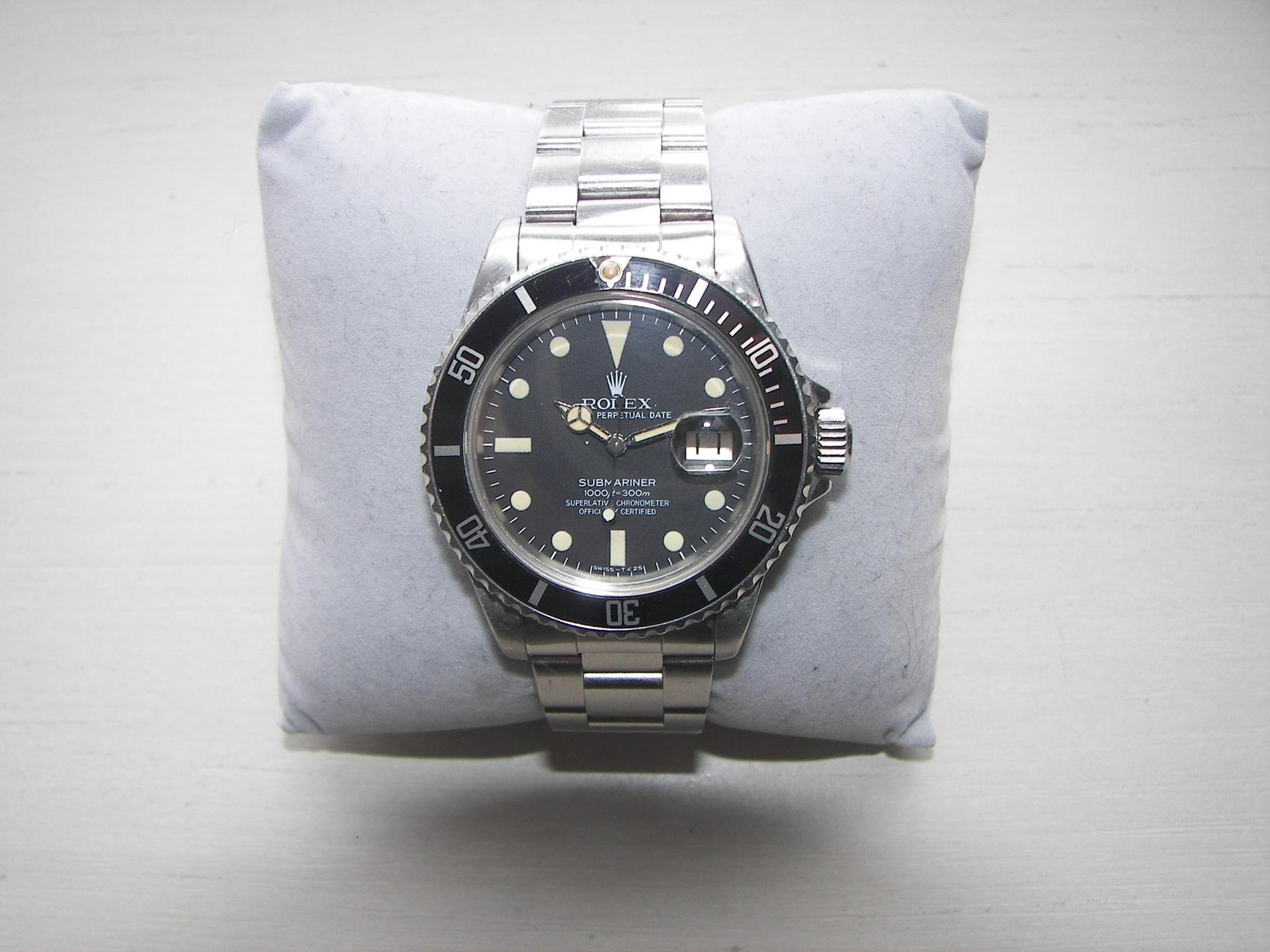
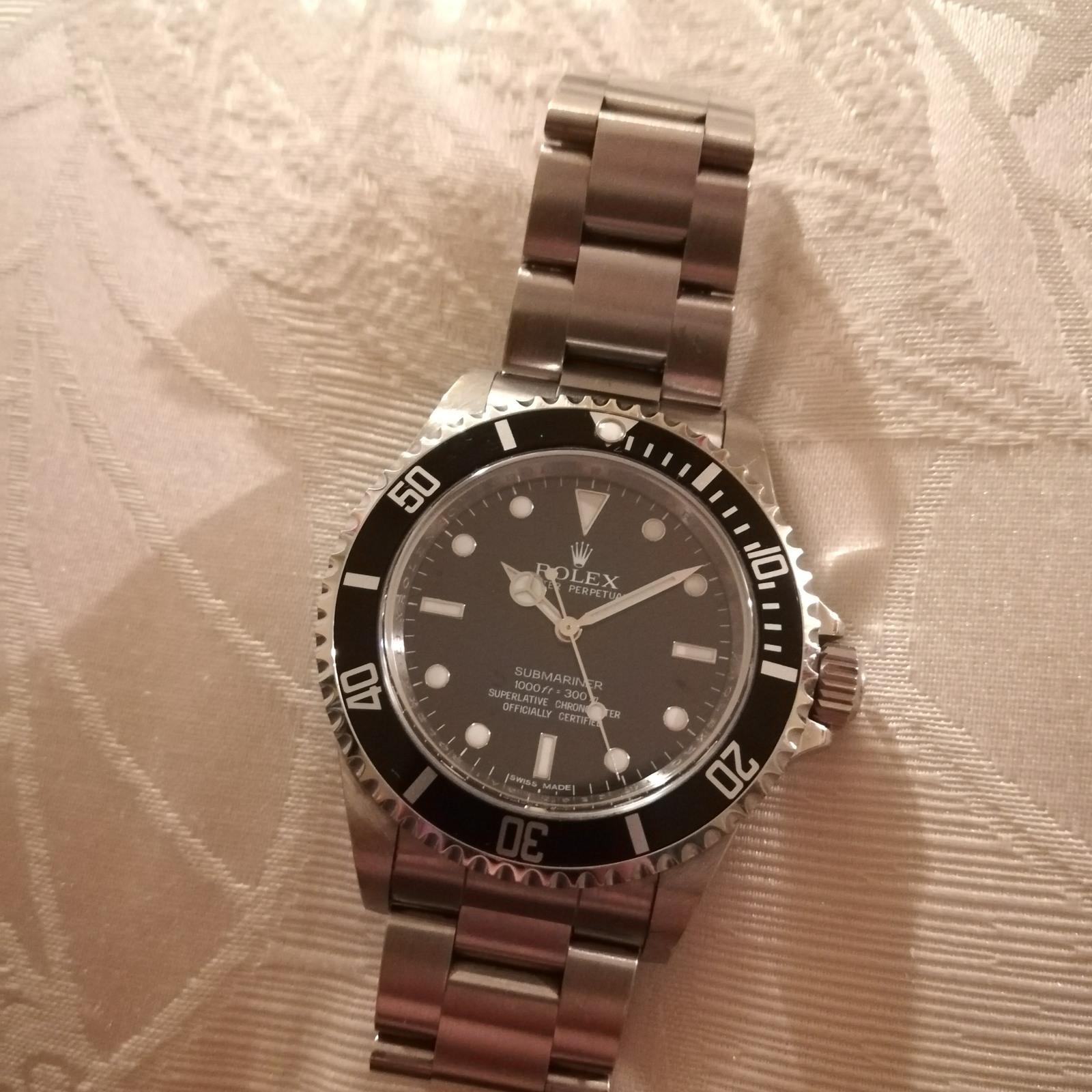
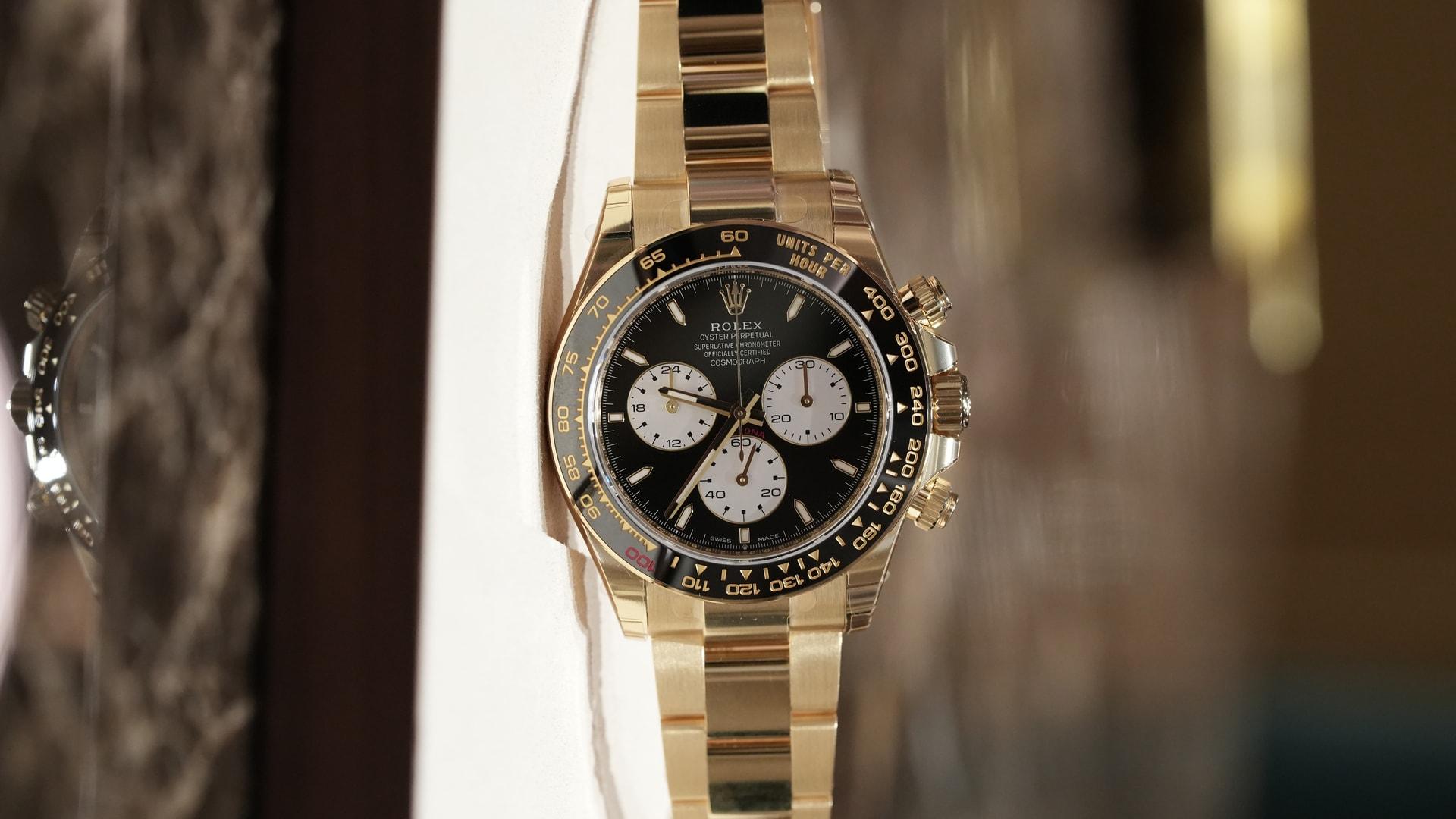
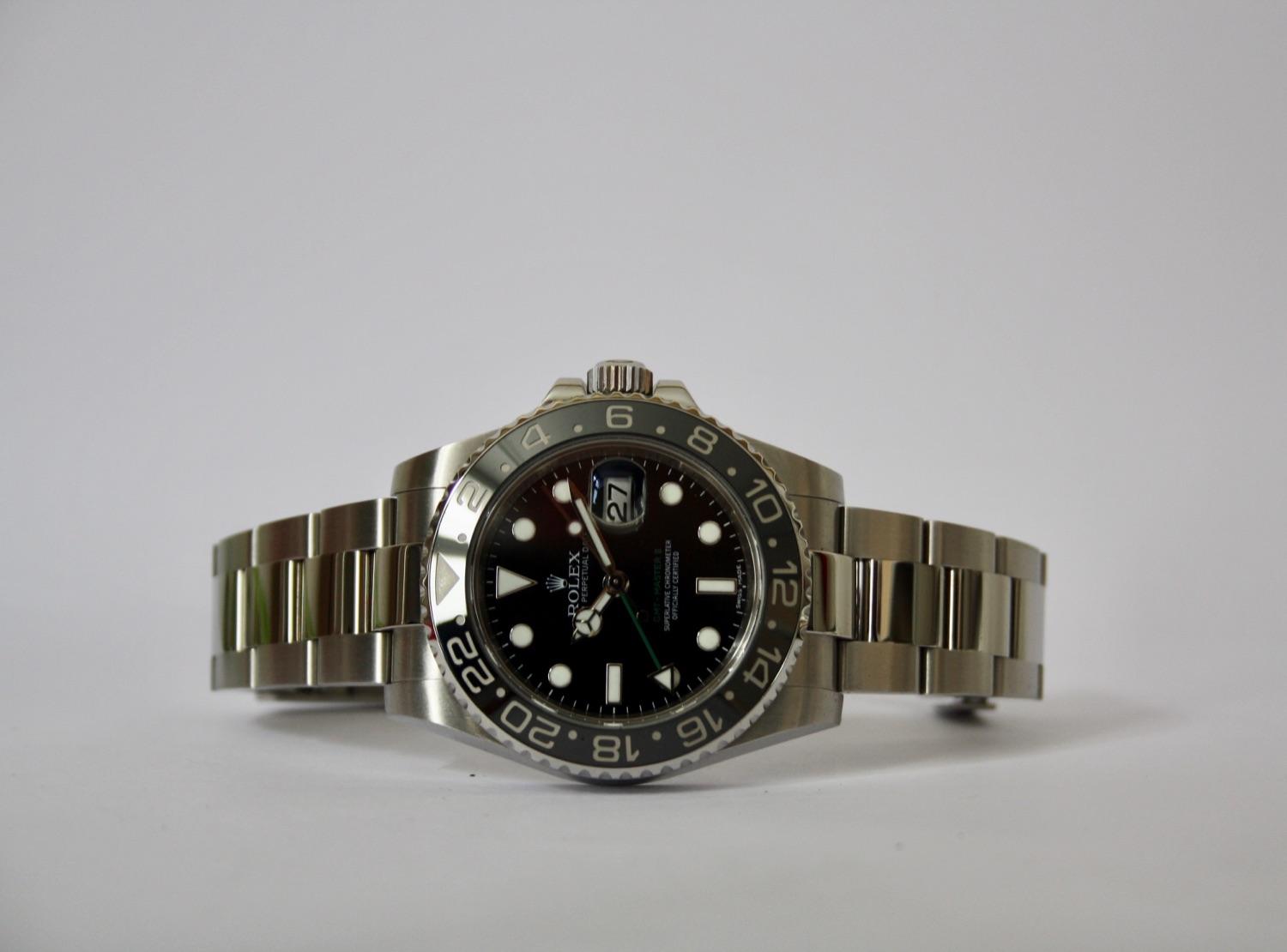
The professional watches followed in the 1950s. The Submariner was introduced in 1953 as a 100-meter dive watch built for the new sport of recreational scuba diving. The GMT-Master arrived in 1955 as a navigator's watch for Pan American Airways pilots, with a 24-hour bezel for tracking a second time zone. The Daytona chronograph followed in 1963, named for the Florida speedway where Rolex was the official timekeeper. The Day-Date launched in 1956 as the first wristwatch to spell out both the day and date in full.
Rolex today is operated by a private trust, the Hans Wilsdorf Foundation, which Wilsdorf established before his death in 1960. The structure means Rolex has no external shareholders and publishes no financial statements. The manufacturer produces its movements, cases, bracelets, and dials almost entirely in-house across four sites in Geneva, Bienne, and the surrounding region.