Omega was founded in 1848 by Louis Brandt as a watch assembly workshop in La Chaux-de-Fonds, Switzerland. His sons Louis-Paul and César relocated the company to Biel/Bienne in 1880 and shifted to in-house movement production. The brand's first significant movement, the 19-line caliber, was so successful that the company renamed itself Omega in 1903 after the movement's caliber name.
The 20th century cemented Omega as the precision-timing watchmaker. The brand became the official timekeeper of the Olympic Games starting in 1932, a role it has held continuously through 2026. Omega chronometers won precision competitions at the Kew, Neuchâtel, and Geneva observatories repeatedly through the 1930s and 1960s, beating Rolex and other rivals on accuracy.
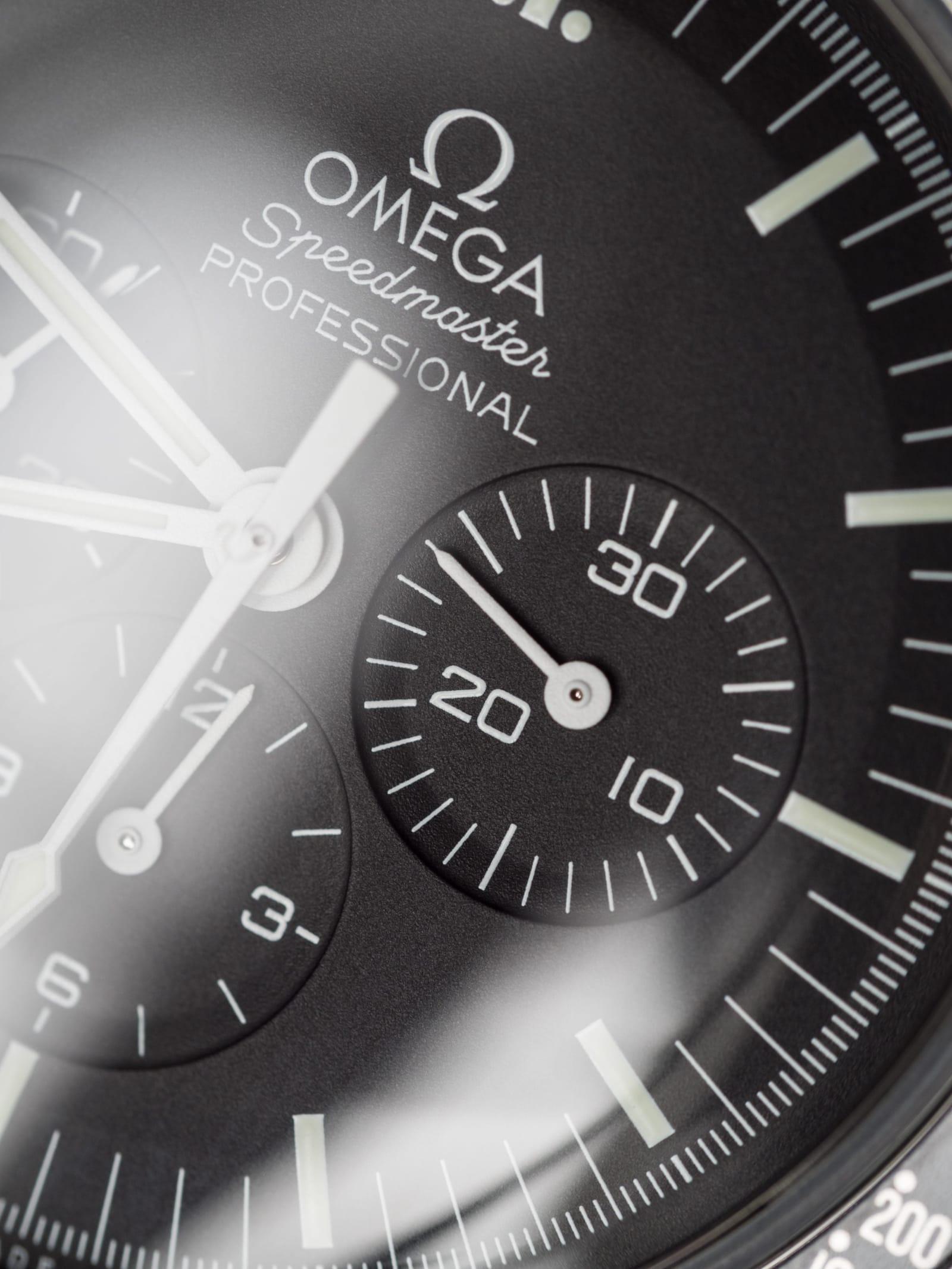
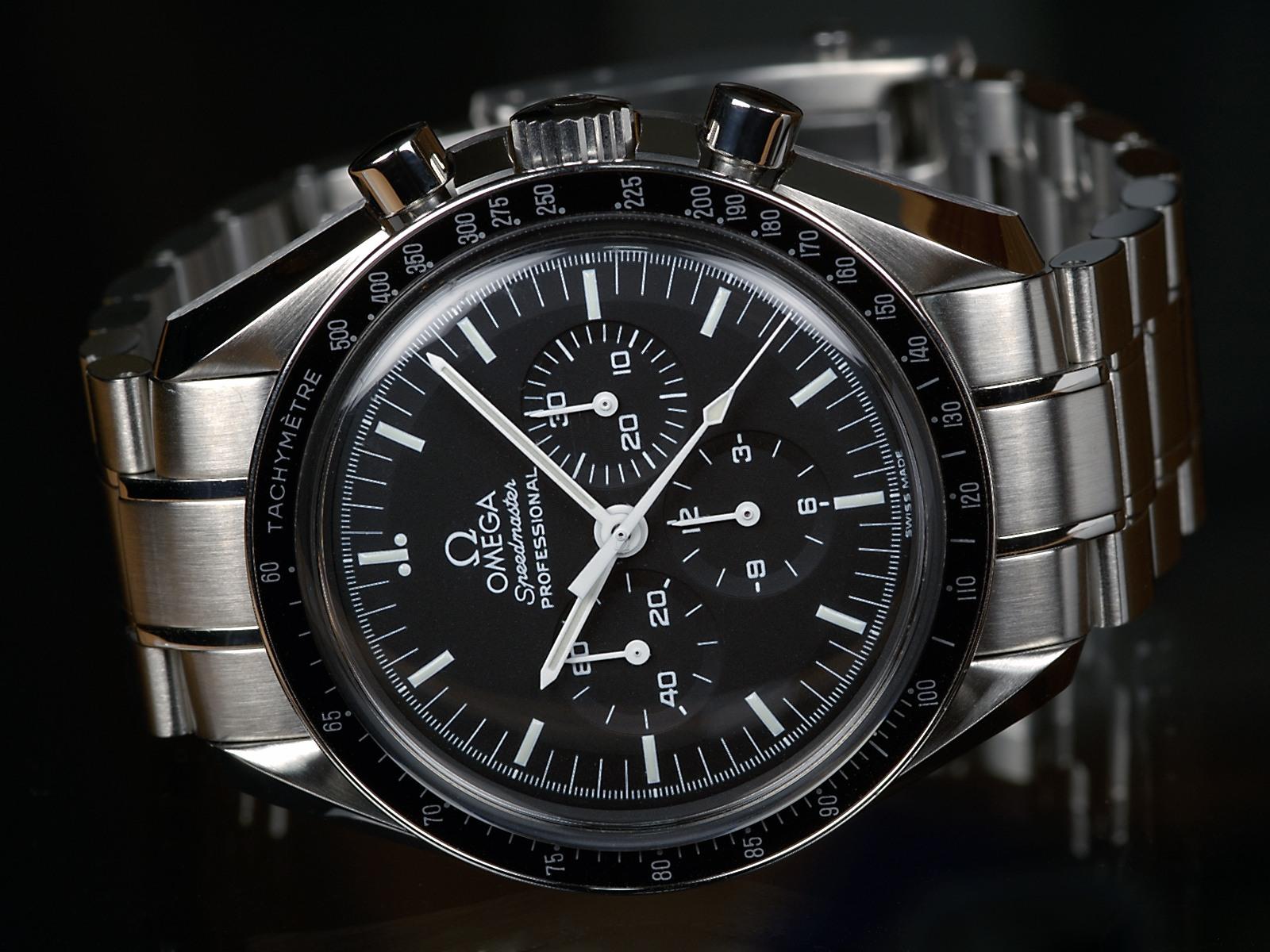
The Speedmaster, introduced in 1957, became the brand's most famous reference after NASA certified it for manned spaceflight in 1965. Astronaut Buzz Aldrin wore a Speedmaster Professional reference 105.012 on the lunar surface in July 1969, making it the first watch on the moon. The current Speedmaster Moonwatch reference 310.30.42.50.01.001 maintains the same case shape and hesalite crystal as the 1969 model, with a modernized caliber 3861 hand-wind movement.
George Daniels' co-axial escapement, licensed exclusively to Omega in 1999, replaced the lever escapement in most modern Omega movements. The design reduces sliding friction between escapement parts and extends recommended service intervals from the traditional 3 to 5 years to roughly 8 to 10 years. The current Master Chronometer certification, which requires resistance to 15,000 gauss magnetism and accuracy of 0 to +5 seconds per day, is the most demanding industry-certified standard.